Barcelona, Spain, November 10, 2026
Selecting AI Agent Orchestration Technologies for Multiagent Systems
December 16 2026
Barcelona, Spain, November 10, 2026
It’s not too late to join the conference
Overview
We are bringing you news and highlights from Gartner IT Symposium/Xpo, taking place this week in Barcelona, Spain. Below is a collection of the key announcements and insights coming out of the conference. You can read the highlights from Day 1 here.
On Day 2 from the conference, we are highlighting seven themes CIOs need to master, exploring the future of data centers, and how government CIOs are shaping the future of digital government. Be sure to check this page throughout the day for updates.
Key Announcements
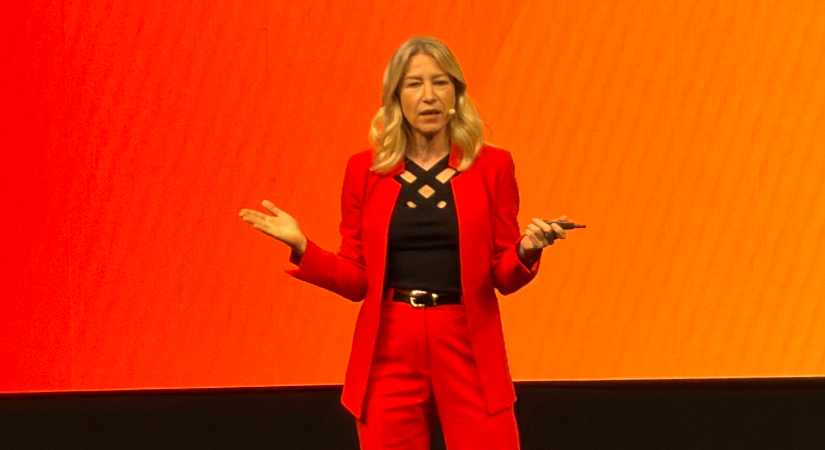
Presented by Mary Mesaglio, Distinguished VP Analyst, Gartner
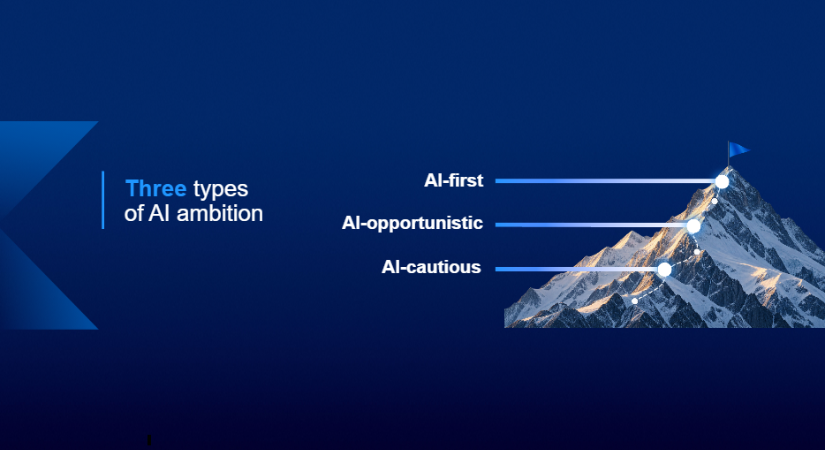
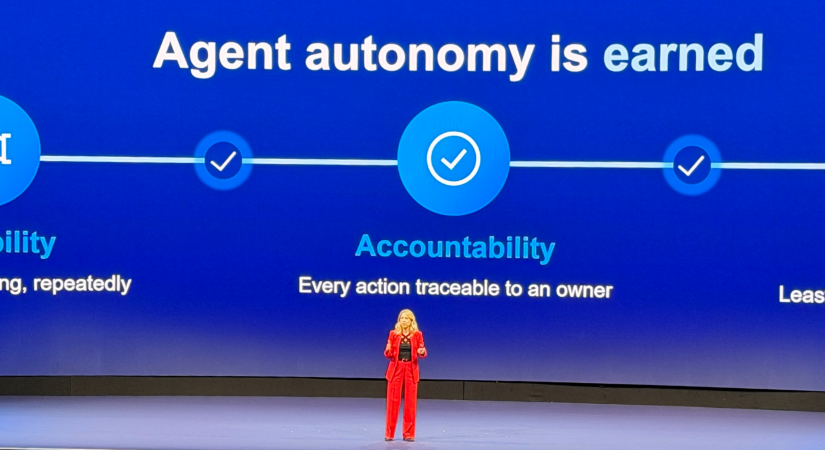
CIOs are faced with designing an AI-shaped organization, deploying mature AI agents, capitalizing on next-gen enterprise apps and choosing strategic investment postures. In this session, Mary Mesaglio, Distinguished VP Analyst at Gartner, provided a clear roadmap to safely de-risk AI at scale while successfully navigating a volatile global landscape.
“AI agents are experiencing a reality check, where the goldilocks zone of implementation is where reliability and security meet autonomy.”
Journalists can receive additional information and/or request an interview with Mary Mesaglio by contacting Laurence Goasduff at laurence.goasduff@gartner.com.
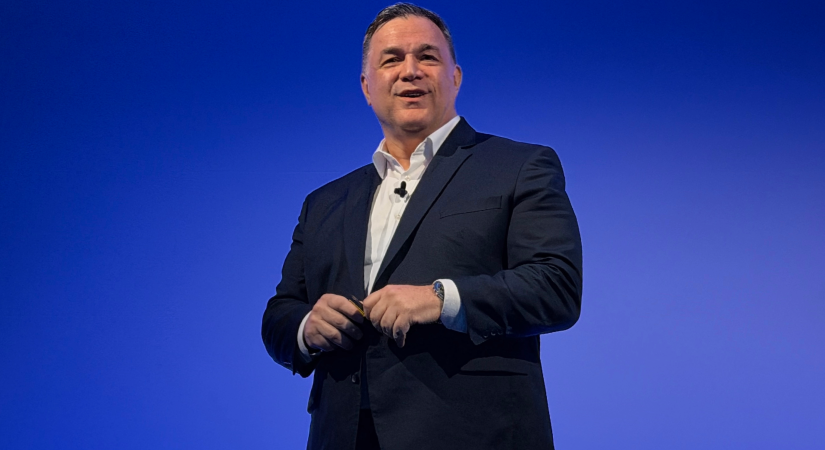
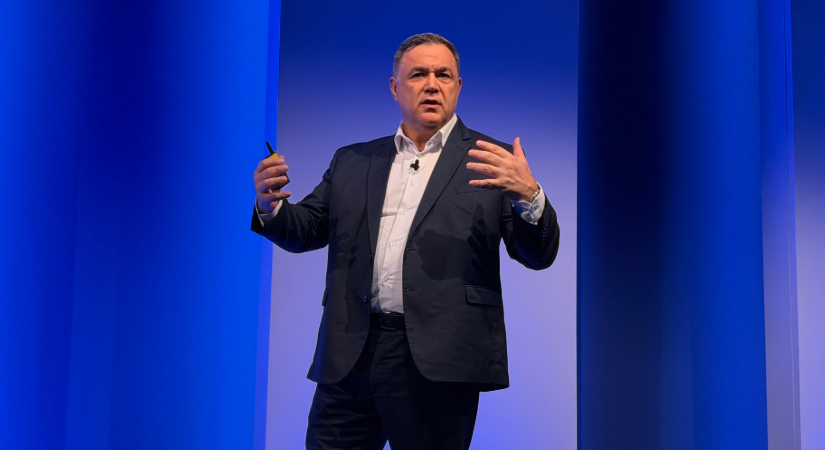
Presented by Henrique Cecci, Sr Director Analyst, Gartner
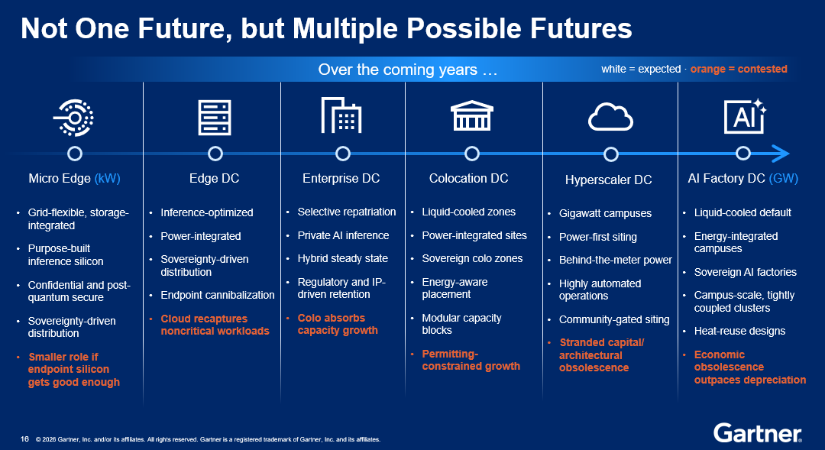
The next era of data centers will be defined less by compute and more by power access, capital discipline, and geopolitical exposure. In this session, Henrique Cecci, Sr Director Analyst at Gartner, explored how data centers will change.
“The data center of the future is not just built differently. It is justified, approved, operated and governed differently.”
“Not one future, but multiple possible futures. For example, AI factories will become the most specialized: liquid-cooled by default, energy-integrated, sovereignty-relevant, and subject to faster depreciation cycles.”
“Today’s decisions must survive a very different world: higher AI density, new power architectures, stronger sovereignty requirements, more sustainability pressure, new cooling models and possibly new categories such as space-based infrastructure.”
“For CIOs, the strategic implication is clear: data center decisions made today must be flexible enough to adapt to the world they will still be operating in twenty years from now.”
Journalists can receive additional information and/or request an interview with Henrique Cecci by contacting Laurence Goasduff at laurence.goasduff@gartner.com.
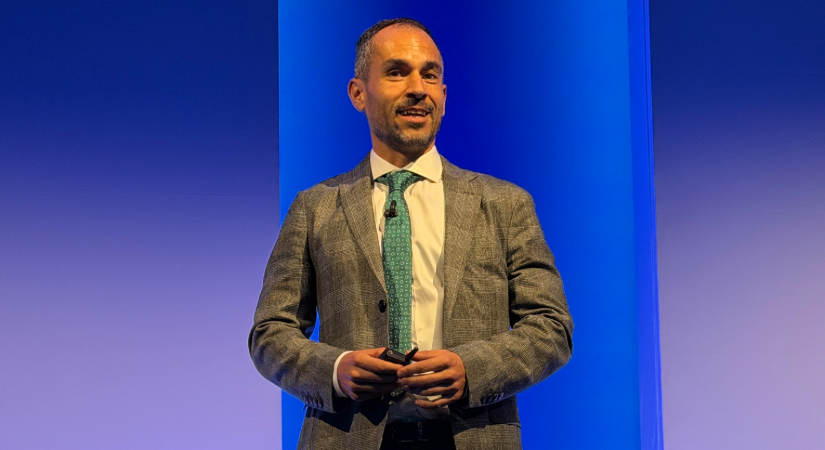
Presented by Daniel Nieto, Sr Director Analyst, Gartner
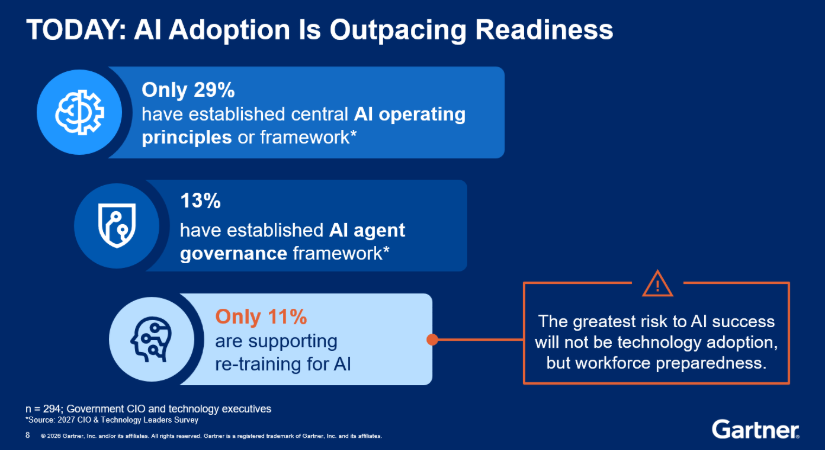
AI maturity and digital sovereignty are transforming how governments deliver services, secure operations and build trust. In this session, Daniel Nieto, Sr Director Analyst at Gartner, explored three drivers – AI adoption, public trust and digital sovereignty – that will be shaping the future of digital government.
“Workforce preparedness, which is essential to unlocking the value of AI, is currently the biggest gap. Only 11% of government CIOs have invested in measures to support re-training efforts for AI.”
“Trust in government data handling declined in 2026. By 2029, Gartner predicts that 70% of government agencies will require explainable AI and human-in-the-loop mechanisms for citizen-facing automation.”
“By 2029, Gartner predicts that 20% of government labor will be machine-based due to agentic AI. The CIO’s responsibility is no longer governing only systems. They are governing digital actors that can initiate actions, interact with other systems and influence consequential outcomes.”
“Today, sovereignty concerns already influence the technology decisions of most government CIOs. By 2028, Gartner predicts that 65% of governments will introduce some digital or technological sovereignty requirements.”
Journalists can receive additional information and/or request an interview with Daniel Nieto by contacting Laurence Goasduff at laurence.goasduff@gartner.com.
It’s not too late to join the conference
Laurence Goasduff
Gartner
laurence.goasduff@gartner.com
Gartner (NYSE: IT) delivers actionable, objective business and technology insights that drive smarter decisions and stronger performance on an organization’s mission-critical priorities. To learn more, visit gartner.com.


