Gartner HR Symposium/Xpo 2026 Australia: Day 2 Highlights

SYDNEY, Australia, November 17, 2026 
Overview

We are bringing you news and highlights from Gartner HR Symposium/Xpo, taking place this week in Sydney, Australia. Below is a collection of the key announcements and insights coming out of the conference. You can read the highlights from Day 1 here.

On Day 2 of the conference, we are covering sessions on making "human in the loop" roles a reality; how to avoid letting AI break careers; three ways AI can boost wellbeing solutions; and how to manage skills atrophy as a business risk. 

Key Announcements

Making “Human in the Loop” Roles a Reality, Not a Fantasy

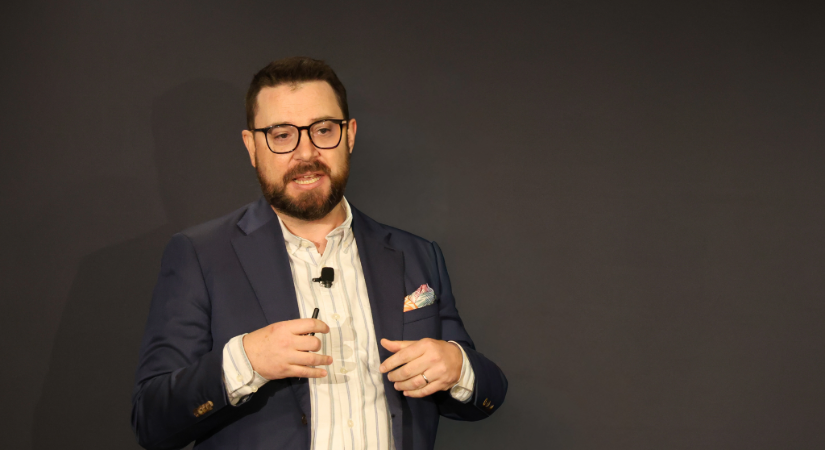
Presented by Robin Boomer, Senior Director Analyst, Gartner

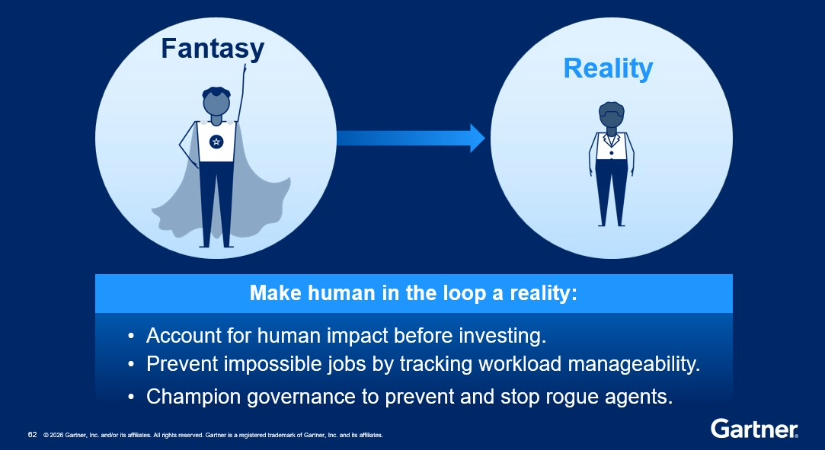
When organizations automate workflows with agentic AI, humans become more important, not less. The “human in the loop” is the lynchpin that keeps a largely automated workflow humming, but most organizations have yet to imagine what these roles will look like. In this session, Robin Boomer, Senior Director Analyst at Gartner, explored the limits and expectations of human roles in agent-led workflows and how to make "human in the loop" roles successful and sustainable.

Key Takeaways

  • “Organizations are setting both humans and autonomous systems up to fail when they assume a handful of high performers can effectively oversee complex AI-driven workflows at scale.” 
  • “The technology for autonomous work is advancing quickly, but human roles in those systems remain largely undefined and unprepared for the breadth, depth and speed of oversight required.” 
  • “Autonomous workflows often (and easily) push beyond human limits, making workload unmanageable. This leads to burnout, errors and undesirable job design.”
  • “AI agents already produce unpredictable and potentially harmful outputs and will continue to do so. Blaming the agent is ineffective and intolerable, which means accountability for outcomes must remain firmly with people.”
  • “To make “human-in-the-loop" roles a reality, HR leaders must account for workforce impacts before investing, monitor workload manageability, and champion governance to prevent and stop rogue agent behavior.”

Journalists can receive additional information and/or request an interview with Robin Boomer by contacting Emma Keen at emma.keen@gartner.com.

Don't Let AI Break Careers at Your Organization

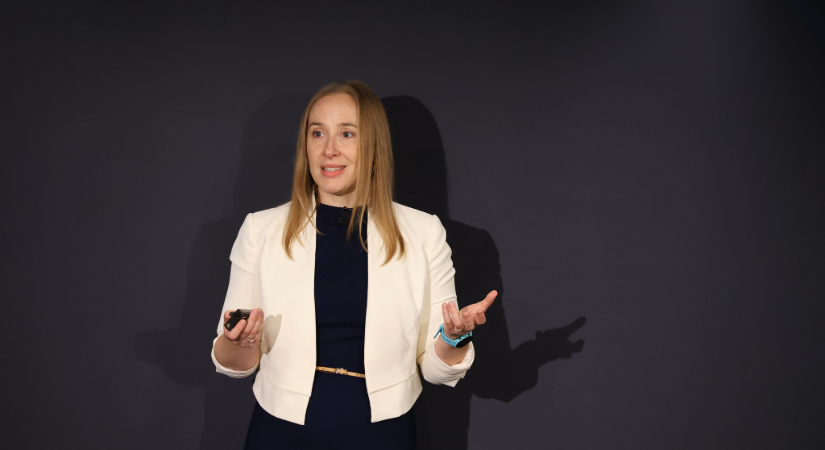
Presented by Kaelyn Lowmaster, Director Analyst, Gartner

AI is automating core development tasks and reshaping the experience-building roles that once defined advancement for promising talent. In this session, Kaelyn Lowmaster, Director Analyst at Gartner, offered HR leaders practical next steps for building a strong, resilient internal talent supply as AI continues to reshape work.

Key Takeaways

  • “AI will create more jobs than it eliminates, but it will also upend millions of careers, leaving organizations and employees navigating a ‘messy middle’ of significant workforce disruption and change.”
  • “Good careers aren’t just an employee experience boost, they’re good for organizational performance. Employees who see a clear career path as AI changes work are 3.5 times more likely to be highly engaged and 3.4 times more likely to be high performers.”
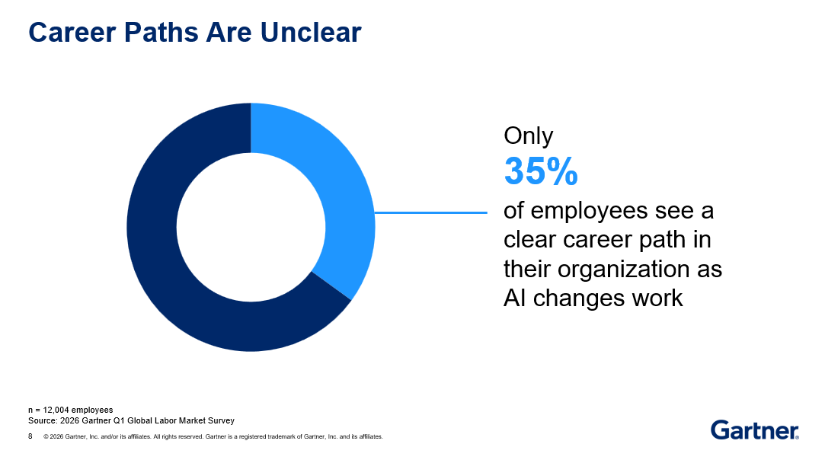
  • “Gartner data found that only 35% of employees see a clear career path in their organization as AI changes work.” 
  • “To help employees thrive in AI-powered organizations, HR leaders should:
    • Identify and target today’s critical skills, and deprioritize the rest
    • Incentivize development, not just output
    • Use AI to accelerate learning, not replace it 
    • Engineer new experiences within roles, not just through promotions
    • Prioritize diverse employee networks, not just senior ones.”

Journalists can receive additional information and/or request an interview with Kaelyn Lowmaster by contacting Emma Keen at emma.keen@gartner.com. 

How to Manage Skills Atrophy as a Business Risk

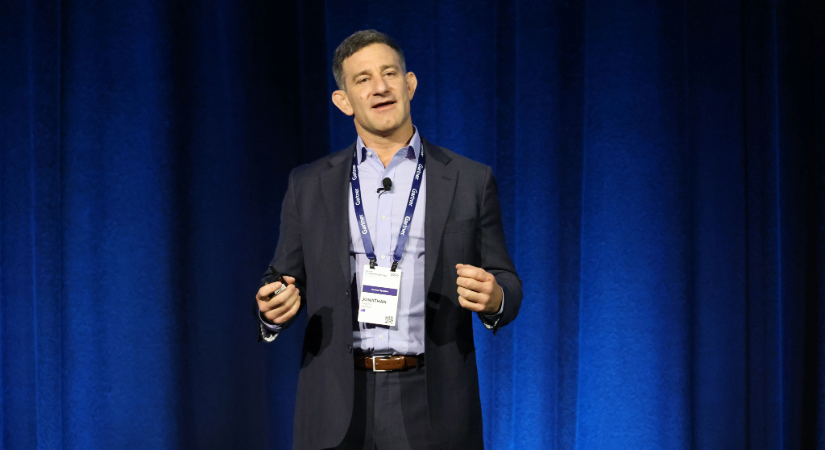
Presented by Jonathan Tabah, Director Analyst, Gartner

As organizations race to integrate AI, they face a hidden but critical risk: the accelerated atrophy of skills. In this session, Jonathan Tabah, Director Analyst at Gartner, outlined how CHROs can intentionally decide which skills to let go and which to safeguard for business continuity and employee performance.

Key Takeaways

  • “Unmanaged skills atrophy can result in a 24% decline in employee performance, but only two in five organizations have a strategy to address AI-driven skills atrophy.”
  • “Some skills will naturally decline as work changes, but organizations must intentionally decide which skills can be allowed to atrophy, and which remain critical to future performance, so they can be deliberately safeguarded before becoming business risks.”
  • “Organizations should integrate skills atrophy analysis into workforce planning, talent reviews and job redesign efforts, while also conducting ad hoc analysis as necessary.”
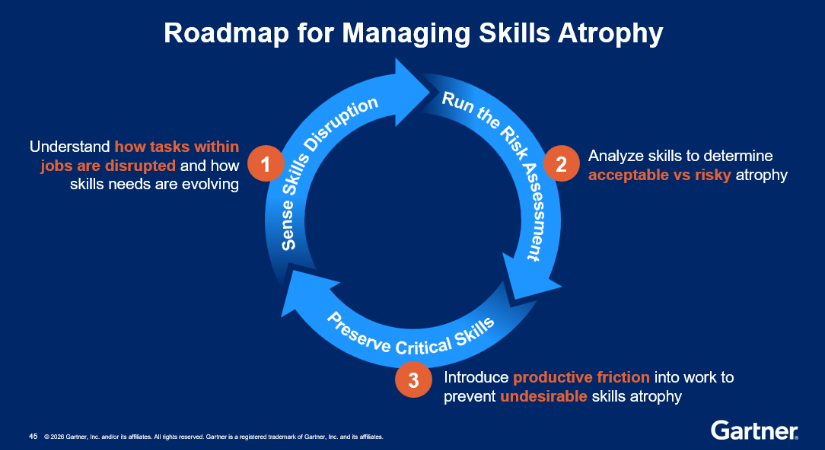
  • “HR leaders can manage skills atrophy as a business risk by understanding how tasks within jobs are disrupted and how skills needs are evolving.”
  • “Risk assessments should also be run to determine acceptable vs risky atrophy, then introduce productive friction to prevent risky skills atrophy.”

Journalists can receive additional information and/or request an interview with Jonathan Tabah by contacting Emma Keen at emma.keen@gartner.com. 

3 Ways AI Can Boost Your Wellbeing Solutions

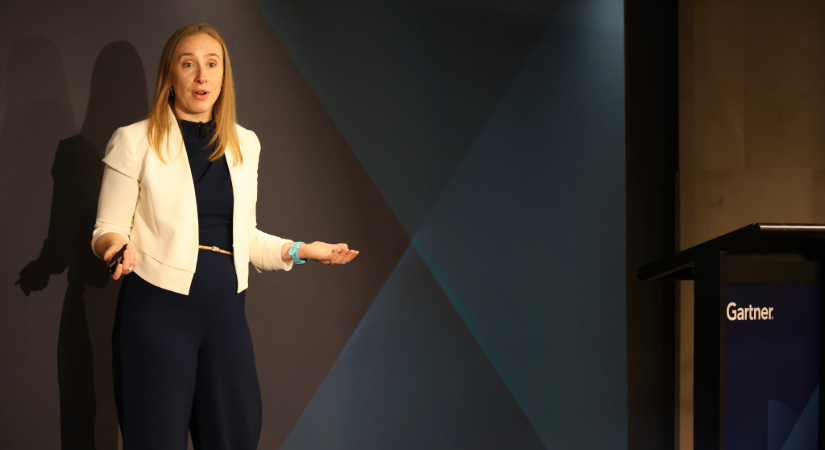
Presented by Nicole Paripurana, Senior Principal Analyst, Gartner

Benefit costs are rising, while mental health and conflict resolution skills are declining. HR and AI investments must be aligned to better support employees and maximize workforce value. In this session, Nicole Paripurana, Senior Principal Analyst at Gartner, discussed how total rewards leaders can strategically invest in AI to strengthen retention and enhance the employee value proposition (EVP).

Key Takeaways

  • "With fewer than 35% of employees reporting good wellbeing and 47% resisting AI adoption, HR leaders are increasingly concerned about AI's effect on employee wellbeing.”
  • “Yet, AI's greatest value may be its ability to improve workforce wellbeing; which in turn, strengthens employee engagement and business contribution.”
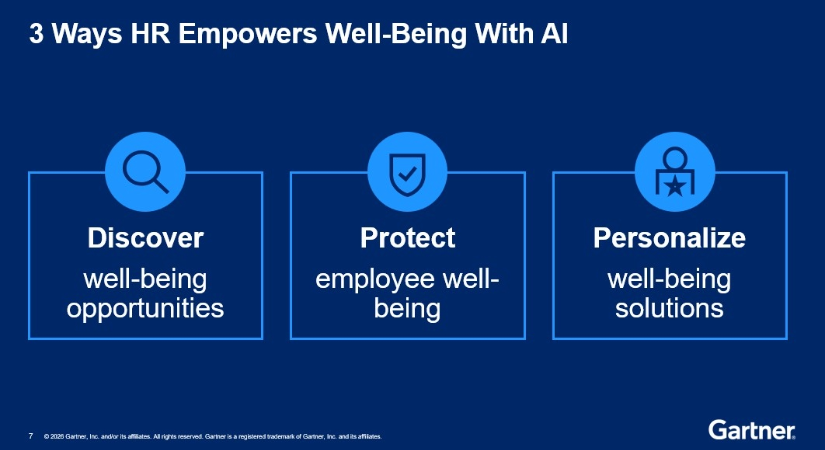
  • “There are three ways HR can empower wellbeing with AI:
    • "Help employees discover early insights into potential wellbeing risks before they escalate into burnout, disengagement, or reduced performance.
    • “Enable organizations to surface indicators of wellbeing risks to protect employees, such as excessive workloads, toxic behaviors, bias and boundary violations.
    • “Guide organizations to better understand their employees’ wellbeing preferences, recovery style and needs to tailor and personalize support to the individual.”

Journalists can receive additional information and/or request an interview with Nicole Paripurana by contacting Emma Keen at emma.keen@gartner.com. 

That's a wrap for Gartner HR Symposium/Xpo in Sydney. Until next year!

Media contact


Related insights


About Gartner

Gartner (NYSE: IT) delivers actionable, objective business and technology insights that drive smarter decisions and stronger performance on an organization’s mission-critical priorities. To learn more, visit gartner.com.